

Small batch manufacturing is a way to produce a limited run of a product before committing to larger quantities. For a small business developing handmade or personalized products, the useful question is: how can you turn your idea into a manageable first order, check the result and decide what to make next?
At CustoShip, we help you do that. We work without an MOQ and support small test orders, bringing together product sourcing, sample development, factory and artisan communication, quality checks, packaging and shipping. You decide what you want to sell and approve the product. We coordinate the work needed to get it made and delivered.
What does small batch manufacturing mean for a small business?
We use the term to describe a limited production run with a defined specification and quantity. The starting point might be a ceramic gift collection, a crochet accessory, a jewelry design or another custom product you want to test with customers.
A batch gives you something concrete to evaluate: the finished item, the time and cost involved, the packing process and customer response. You can use what you learn to refine the next order instead of committing to a wide range at the outset.
There is no universal number that makes an order a “small batch.” The practical starting quantity depends on what is being made and how. We begin with your proposed test and discuss a workable route around it.
A sample, a batch and an individual personalized order serve different purposes
A sample helps you approve the design and construction. A small batch puts an agreed version into a limited production run. Individual personalization changes specified details—such as a buyer’s name—within that approved product.
You may combine these approaches: approve a sample, arrange a small run of the base product and add buyer-specific details at the agreed stage. We clarify that sequence before orders start, including which items need to be held in stock and which work happens after a sale.
Where can you find small batch manufacturers?
Start with the process your product needs. For a crochet design, that means makers familiar with the construction and finishing. For a ceramic product, you need to discuss the form, surface finish and personalization. The same supplier will not necessarily be the right choice for both.
You can contact specialist workshops and manufacturers, look through supplier marketplaces, or work with a sourcing and production coordination partner. Give each candidate the same product brief so you can compare what they will actually make, what the sample covers and what the first order will cost. Our step-by-step guide shows how to compare manufacturers before paying for a sample.
When considering small batch manufacturers, ask who makes the product, how revisions are approved, what details can vary between orders and who handles packing or dispatch. A low minimum is useful only if the maker can carry out the work your product needs.
We work with factories and craftspeople across custom production processes, ceramics, jewelry and crochet. Our role is to match the request with suitable makers and coordinate the work. If you are still choosing a sourcing route, our guide to finding suppliers for a small business covers that earlier decision.
How do you manufacture small batches with CustoShip?
We organize the first order around clear approvals. That keeps a design change, a sample correction or an order instruction from getting lost between conversations.

1. Start with a focused product brief
Send the design or references you have, along with dimensions, materials, intended customization, proposed quantity and target delivery country. Tell us which details are essential and which you are willing to adjust.
We help separate decisions about the base product from buyer options. For example, a mug’s shape and capacity belong in the product specification, while a customer’s name belongs in the order instructions. If a new shape or another development step is needed, we discuss it before proceeding.
2. Develop and approve a paid sample
We coordinate the maker’s questions and your feedback so you can review an actual proposal. Check the materials, dimensions, finish, construction and personalization against the brief. For a handmade design, agree which variations are acceptable and which details need to remain consistent.
The approved pre-production sample and its written specifications become the reference for the first run. Sample fees, revisions and timing are confirmed for the work involved; we do not apply one lead time to every product category.
3. Confirm the first order and the permitted options
We agree on the quantity, product version, customization choices, costs and schedule before coordinating production. Starting with a focused range makes the test easier to interpret: you can see whether the product and order process work before introducing more variations.
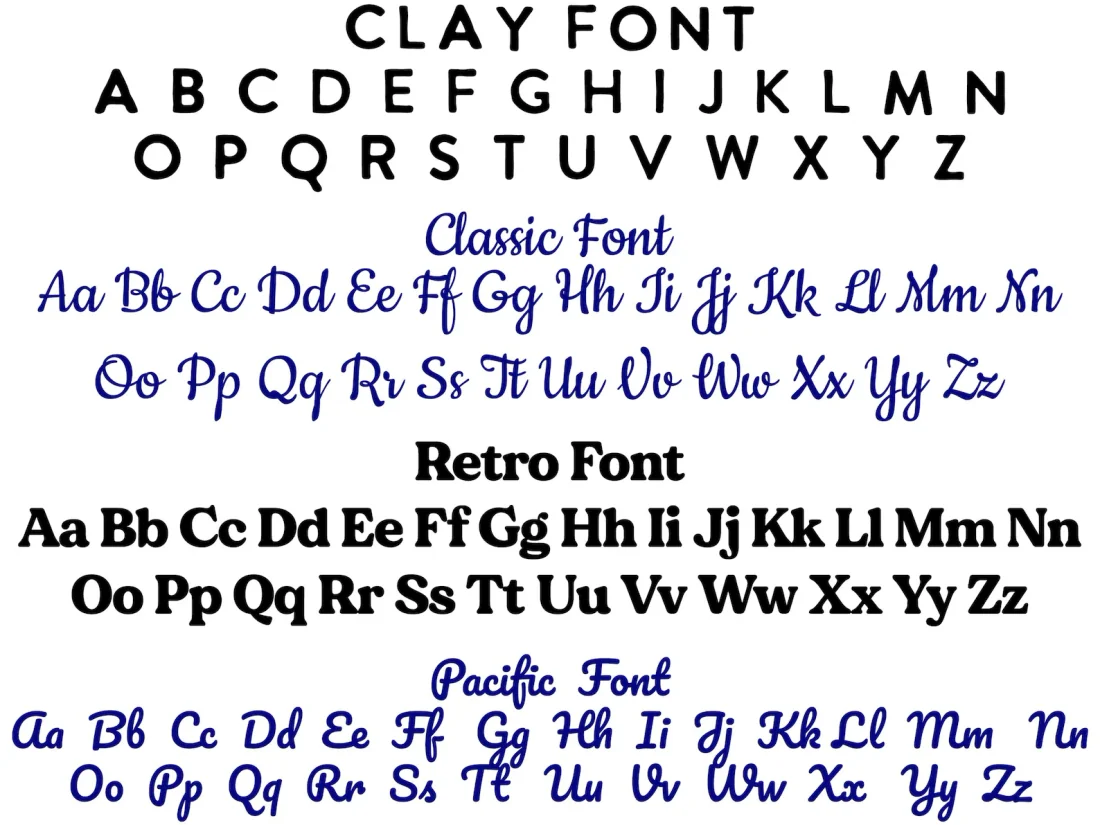
For personalized orders, we also confirm the instruction format. The exact text, spelling, font reference and placement should travel with the correct item. We bring missing details back for clarification before the relevant production step.
4. Check the products and coordinate packing
We arrange product quality inspection around the requirements agreed for your order. That may include dimensions, appearance, construction, personalization and packaging. We confirm the inspection scope in advance and coordinate the response if an item does not match the approved specification.
We can discuss packaging and delivery together with the product. Tell us whether the order should go to your shop, a retail location or individual customers, so the packing and dispatch plan fits the next step.
5. Review the test before reordering
After the first order, review more than whether it sold. Consider customer questions, sample-to-production consistency, packing, delivery and the time needed to process personalization instructions.
Then decide what to keep, revise or expand. We can coordinate a revised sample where needed and record the approved version for the next order. The aim is to build a repeatable product and working relationship as your business grows.
What could a small personalized mug range look like?
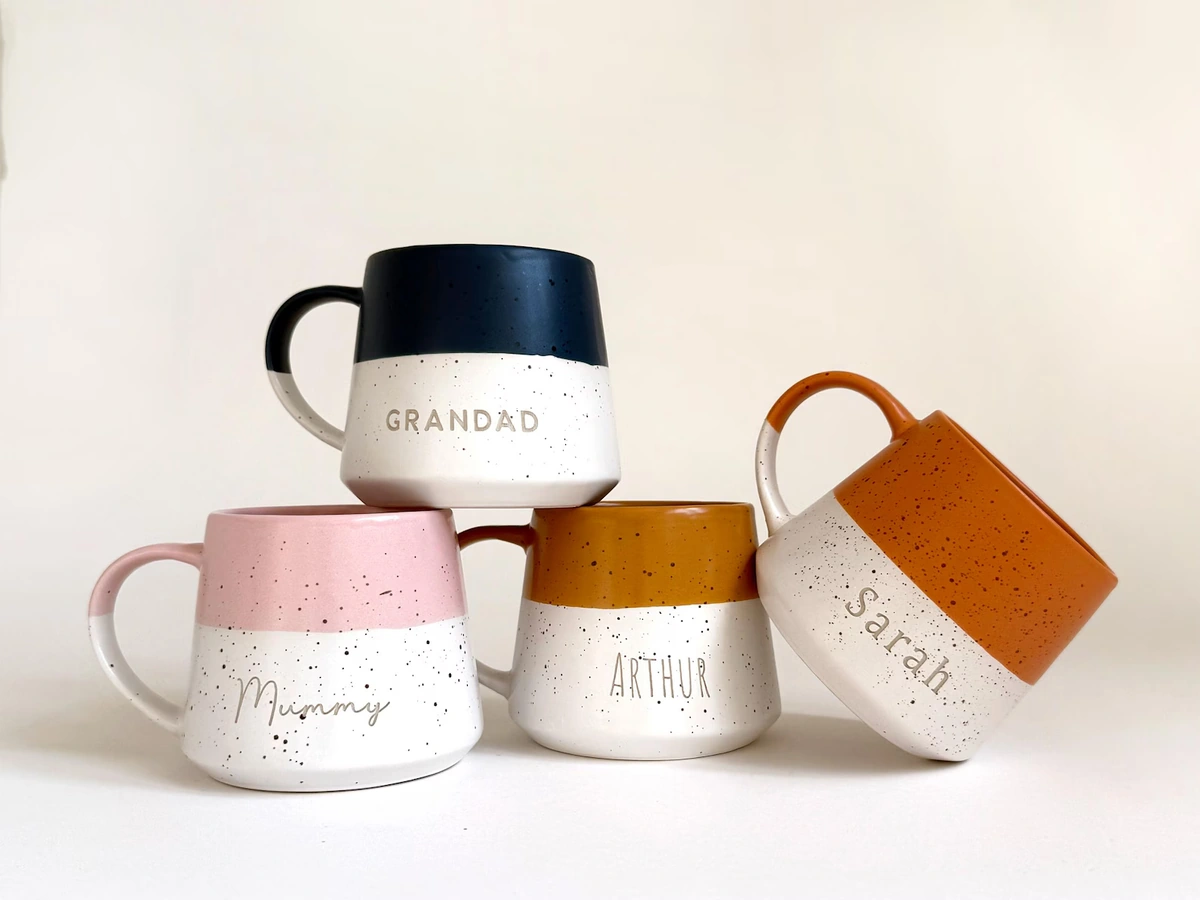
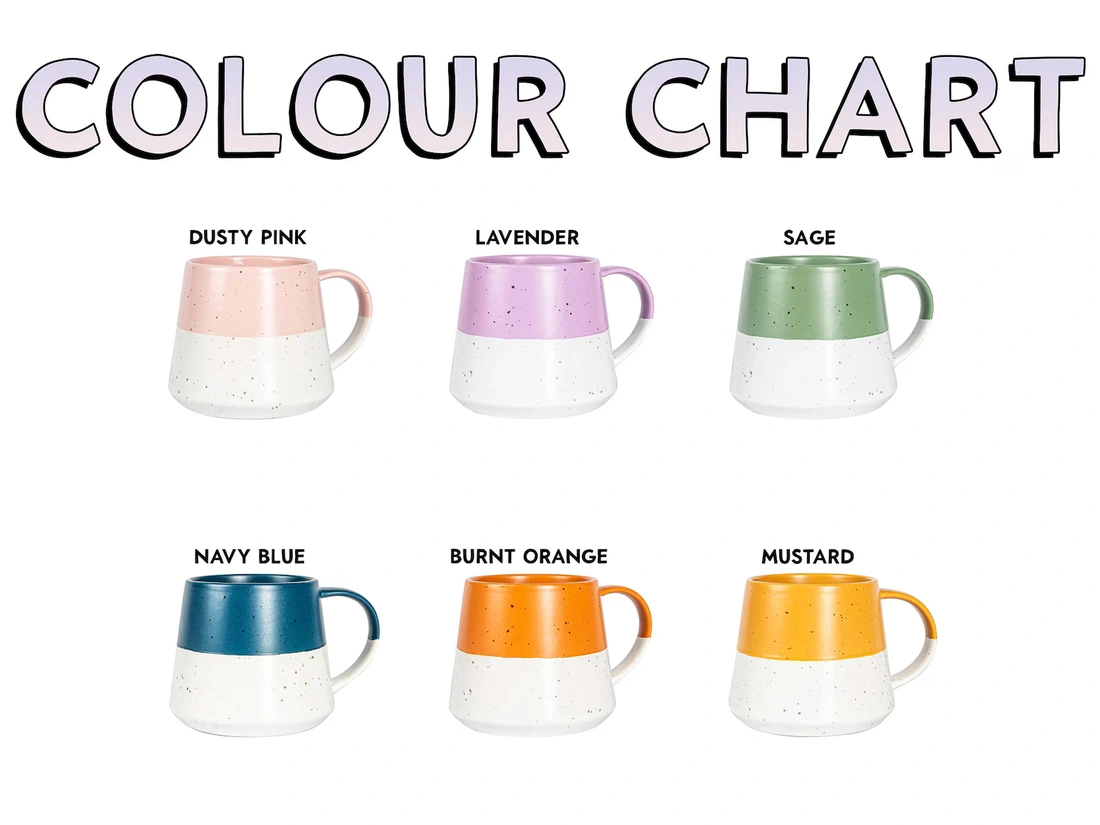
The product images below illustrate how a range can combine a consistent base item with selected colors and lettering styles. They are references for discussing options, rather than a record of a CustoShip customer’s production run.
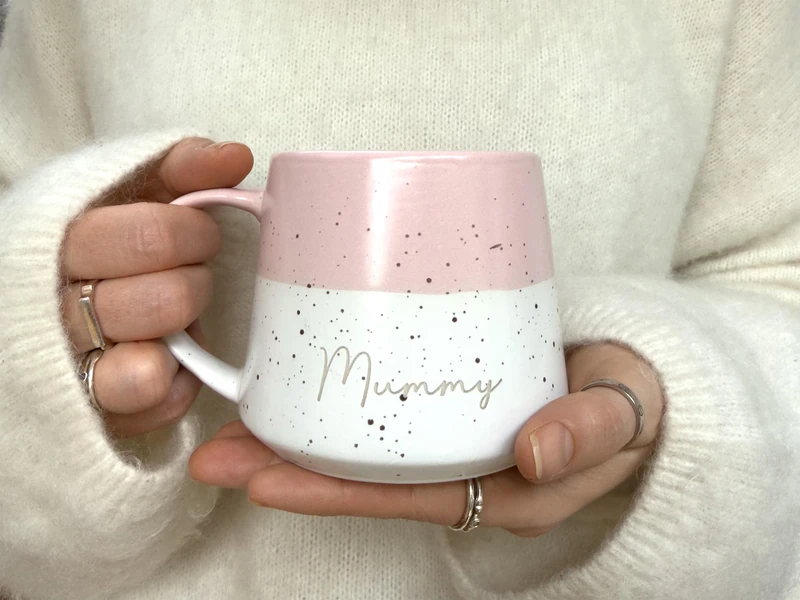
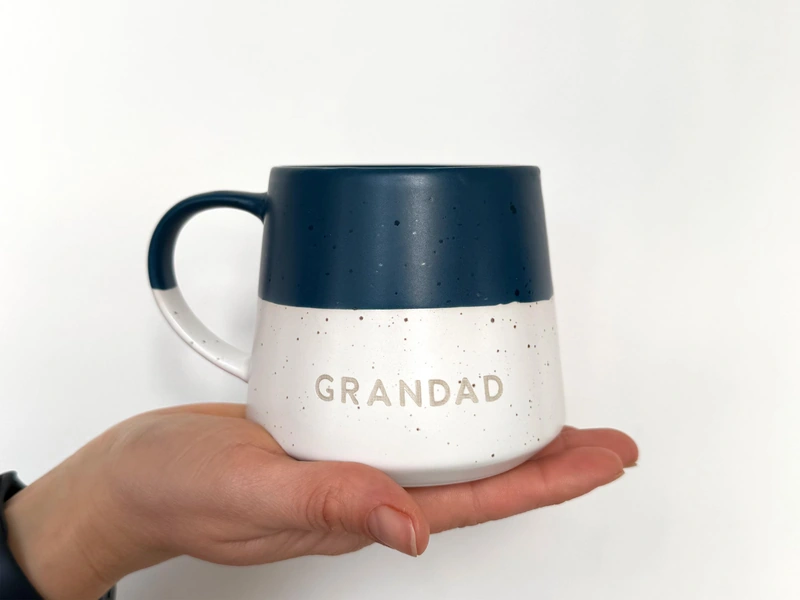
Before requesting a test order, we would help you turn those visible choices into instructions a maker can follow. Color and lettering references help explain the appearance you want; the mug’s capacity and dimensions need to be confirmed separately.
Keep the base product consistent, then test selected options
Imagine you want to introduce a personalized ceramic mug gift. Rather than launch every pictured combination, you could begin by reviewing one proposed mug shape, a limited color selection and a lettering style. The maker would first need to confirm which options are available for your project.
You would approve the sample, lettering placement and packaging before the test run. If names vary by buyer, we would agree on how each name is submitted and matched to its item. Your next order could build on the options customers respond to, after reviewing costs and feedback.
| Decision | What to confirm before the test |
|---|---|
| Base mug | Shape, material, dimensions, capacity and relevant product requirements. |
| Color and surface | The approved color reference, finish and acceptable variation. |
| Lettering | Application method, font reference, text limits, position and exact spelling. |
| Packaging | Fit, protection, any branding and the packed dimensions. |
| Order handling | Quantity, item-to-name matching, approval points and dispatch destination. |
This planning approach also works for other categories, with checks adapted to the item. A crochet product needs its own material, construction and sizing decisions; our custom crochet development guide explains that process in more detail.
Can you start small without committing to a large inventory?
Yes. Supporting small test orders without an MOQ is part of our service. We start with the quantity you want to explore and help work through the product and production requirements.
We also separate the costs so you can assess the test. Your first order may include sample development, setup, products, customization, inspection, packaging and shipping. A limited run can reduce how much stock you buy upfront, while development costs still need to be covered.
If a selected material, new structure or separately produced packaging brings its own production minimum or setup cost, we explain it and compare alternatives with you. That could mean an available material, fewer variations or a simpler packaging route. For the packaging decisions, see our guide to custom product packaging.
How should you compare quotes from low MOQ manufacturers?
Compare the same design, quantity, included work and delivery destination. Ask whether sampling, personalization, inspection and packing are included, and what changes would require a new quote. A low unit price is hard to evaluate if essential stages sit outside it.
We want you to understand what the first test costs and what a repeat order would involve. That gives you a more useful basis for deciding whether to proceed than an unexplained price per piece.
What can you leave to our team?
Our advantage is bringing the product work into one coordinated process. You can focus on your customers, store and marketing while we handle the agreed sourcing, maker communication, sample follow-up, production coordination, quality checks and packing or shipping arrangements.
We have years of experience as Etsy sellers and understand the practical importance of clear options, accurate order details and realistic dispatch commitments. We also work with factories and craftspeople across handmade and custom product categories, so the conversation can go beyond adding an image to a standard item.
We can explore materials, dimensions, product details and packaging with suitable makers. You keep control of the design and approvals; we manage the factory questions and follow-up. Our personalized product fulfillment guide shows how those stages connect to customer orders.
For Etsy sellers, the production arrangement also needs to fit the platform. Etsy’s production partner guidance covers eligible seller-designed or buyer-personalized items, required disclosures and accurate shipping information. Small quantities alone do not make a product eligible for Etsy.
Small batch manufacturing: frequently asked questions
Can I start with only a photo or sketch?
Yes. Send it with the dimensions, materials, intended use and details you want to customize. We can help clarify the brief and coordinate sample development. The maker may need further information before quoting or making a sample.
Can every product in a small batch have a different name?
We can discuss individual personalization for a suitable product. First, we confirm the method, permitted variations, order format and costs. Changing a name within an approved design is a different request from changing the product’s shape or material for every item.
Where can I find small batch manufacturers for handmade products?
Look for specialist makers familiar with the material and construction your design requires. You can contact them directly or work with a coordination partner such as CustoShip. We can help connect the brief, samples and first order across the agreed stages.
How long does a small production run take?
We confirm the schedule after reviewing the product, customization, quantity and sample requirements. Sample approval, production and transit are separate stages. Let us know your intended launch date so we can assess the plan before you make customer commitments.
Can you arrange custom packaging and shipping as well?
Yes. We can coordinate those with the product order. Share the presentation you want, the delivery destination and whether you need a batch delivered together or orders sent individually. We will discuss the applicable options and costs.