

To find dropshipping suppliers, start with the product you want to sell, search through manufacturers, supplier platforms and specialist sourcing partners, then compare a short list using the same brief. Order a sample and run a small test shipment before relying on a supplier for regular customer orders.
If you are just starting an online business, your first supplier also needs to fit your budget and order volume. You may have an idea for a handmade gift or personalized product, but no established supplier—and no reason to commit to a large batch before you know what customers want.
At CustoShip, we work without a minimum order quantity (MOQ) and support small test orders. We help with handmade and custom products, custom packaging and suitable shipping arrangements, so you can spend more time building your shop and marketing your offer. Here is how we suggest finding a partner you can start small with and grow alongside.

1. Decide what you need a supplier to do
Before searching, write a short brief: what is the product, who is buying it, what can they customize, and where will orders go? Add your expected starting volume and a target budget if you have one. A business testing its first few orders needs a different conversation from a retailer replenishing a proven product.
Then identify the work you need help with:
- Ready-made goods: finding an existing item and having it packed and sent to the buyer.
- Personalized products: applying each buyer’s approved name, image or other customization.
- Custom handmade products: developing a design, choosing materials and working with suitable makers.
- Product and fulfillment coordination: bringing sourcing, samples, quality checks, packaging and dispatch together.
For example, a supplier who can ship a stocked gift may not offer the development work needed for your own crochet arrangement or ceramic design. Ask about the actual process behind your product. Our guide to dropshipping personalized products explains those production routes in more detail.
2. Where to find dropshipping suppliers
Use more than one route when building your short list. The useful choice depends on whether you need an existing product, an original design or someone to coordinate the work.
| Where to look | What to ask |
|---|---|
| Supplier marketplaces and directories | Do you offer direct-to-customer shipping for this item, in my starting quantities? Who holds or makes the product? |
| Manufacturers and specialist workshops | Can you produce this specification? Can you handle individual orders, or do you need a separate fulfillment arrangement? |
| Craft makers, trade events and business referrals | Can you show work relevant to my design? What are your sample, production and dispatch arrangements? |
| Product sourcing and fulfillment partners | Which stages will your team coordinate, who makes the item, and what does the complete service cost? |
Search by product and requirement, rather than only typing “dropshipping supplier.” For a handmade range, terms such as “custom crochet supplier,” “ceramic product development” or “handmade jewelry production” can help describe the kind of work you need. These are search examples, not endorsements of any supplier you find.
Shopify’s supplier guide also describes contacting manufacturers and using supplier directories. Treat a listing or recommendation as a way to discover a candidate. Your own sample and order test still matter.
3. How to find reliable suppliers for dropshipping: test the whole order
Give shortlisted suppliers the same product brief and ask for written answers. Then check what happens when an item is actually made, packed and shipped.
Review a physical sample
Check materials, measurements, finish and customization against your request. For handmade goods, agree which variations are acceptable and which details must match. A photo can help you review the appearance; a physical sample also lets you examine the feel and construction.
Compare the complete cost
Request a breakdown covering the product, customization, agreed checks, packaging, handling and shipping. Ask about sample or development fees and any other charges before you commit. Compare the same destination and packed dimensions, then allow for your shop’s own selling and marketing costs.
Run a small test order
Use a test shipment to an address you control or are authorized to use. Check that the correct item and customization arrive, the packaging protects the product, tracking is usable and the timing matches the plan. For a personalized range, test how a correction or missing instruction is handled before production.
Ask how problems are handled
Who responds if an item is wrong, a parcel arrives damaged or tracking stops updating? Ask what evidence is needed and how a remake, replacement or investigation is decided. Confirm the working process while you are testing, when there are fewer orders to manage.
Our fulfillment partner checklist goes deeper into these operational checks.
4. Start without a minimum order quantity
No MOQ means you can begin with a small test instead of buying a large batch. That is the starting point we offer at CustoShip. You can explore a product, review a sample and test customer orders while keeping the initial quantity manageable.
This is particularly useful when you are still learning which design, price or presentation your customers respond to. You get a chance to adjust the offer using real feedback before increasing volume.
No MOQ does not mean the product or development work is free. You still need to budget for the agreed sample, product, packaging and shipping costs. We discuss those costs with you before you decide how to proceed.
Test one handmade gift concept before expanding the range
Imagine you want to offer a custom crochet flower gift. Start with the design reference, material, dimensions and presentation. Review a paid sample, agree the order instructions, then run a small order test. Use what you learn about the finished item, delivery and customer response to decide what to change or develop next.
This is an example of a testing approach, rather than a claim about a customer’s results. We support crochet product development; crochet sampling usually takes 3–5 working days and is charged separately.
5. Find support for custom products and packaging
For a handmade or personalized business, sourcing can involve decisions about the product itself: its shape, yarn or other materials, dimensions, construction and finish. Packaging adds another set of choices, from protecting the item to presenting it as part of your brand.
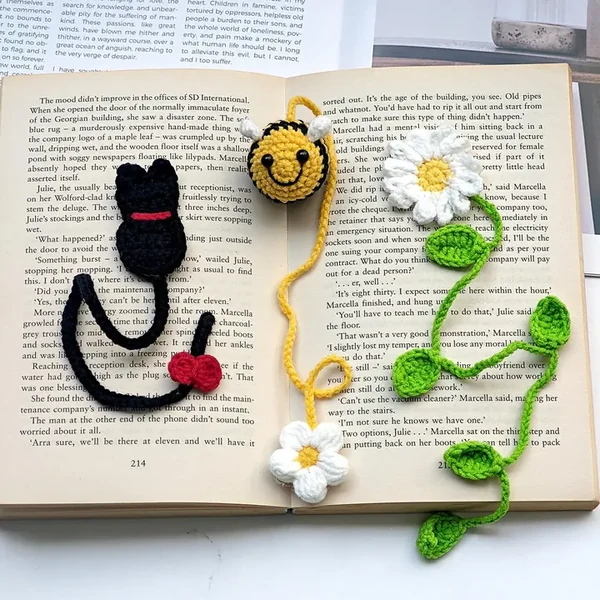
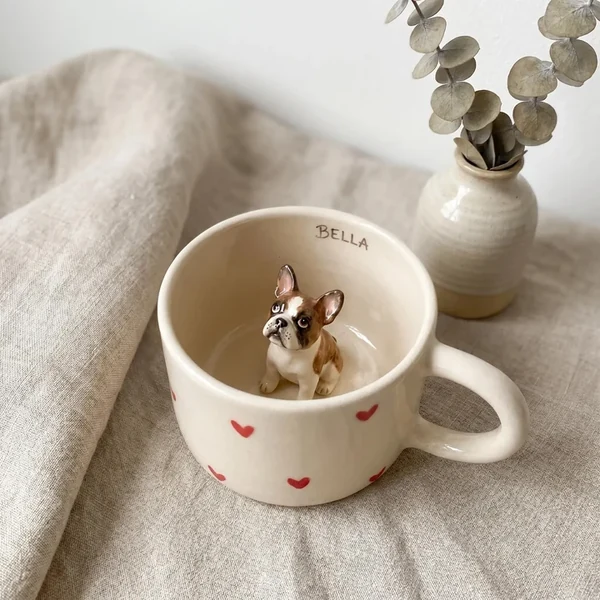
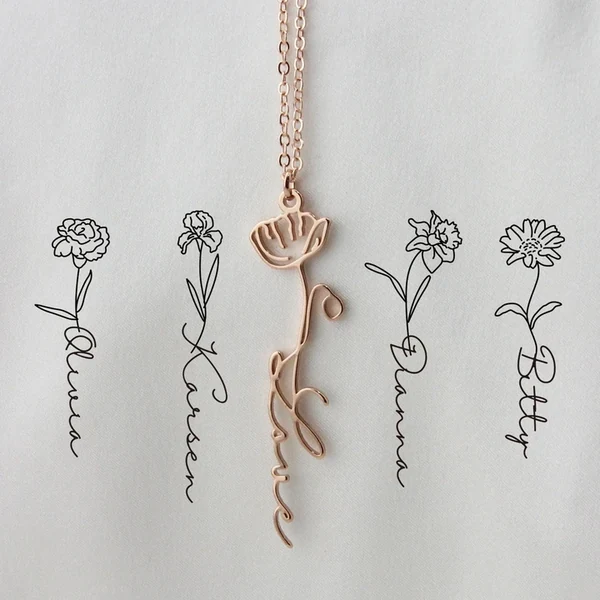
We work with factories and craftspeople across crochet, ceramics, handmade jewelry and other custom product processes. That gives us a network to draw on when discussing your idea and developing a sample. If you are comparing workshops before reaching out, our guide shows how to find a maker for your own design.
How to get custom packaging for a small business
Begin with the product you need to protect and the impression you want the parcel to create. Send your logo or artwork, the item dimensions and examples of the presentation you like. We can discuss custom packaging alongside product development and fulfillment.
For your initial test, compare the packing proposal with the actual item. Check the fit, protection, branding details and packed dimensions. Ask for the packaging cost to be shown clearly, so you can see how the presentation affects the full order cost.
If you plan to sell on Etsy, review its production partner requirements before listing. Hiring someone to make or ship an item does not automatically make it eligible. Your design or eligible buyer personalization, the production roles and the required disclosures need to fit Etsy’s rules.
6. What to say when contacting a supplier
Be clear that you are starting small. A practical brief gives a supplier something specific to assess and lets you compare their response with other candidates.
Hi, I am starting an online store selling [product type] to customers in [countries]. I am looking for a supplier who can support small test orders.
Here are my product references: [photos, sketches or links]. I would like to customize [materials, size, design or other details] and explore packaging with [branding/presentation requirements].
Could you explain your sample process and fees, MOQ, product and packing costs, production time, shipping options and how customer orders are handled? My initial estimated quantity is [quantity], and I would like to test the product and delivery before expanding.
Include your store link if it is available. If you are still preparing the shop, explain the audience and launch plan instead. You can start the conversation without pretending to have an established order volume.
7. How we support your shop as it grows
Our service is built around small sellers who want to develop an offer and test it without a minimum order quantity. We bring product sourcing, maker coordination, sampling, quality checks, custom packaging and fulfillment into one working relationship.
Your customers and marketing
Build your shop, choose the audience, create content, test your offer and tell us what your customers need. Approve the sample and the product details that define your brand.
The product and order work
Let our team handle the agreed sourcing, production coordination, quality checks, packing and shipping arrangements, with a clear process for questions and order updates.
We can discuss shipping options suited to your product, packed size, destination, budget and delivery needs. Confirm production time and transit time separately, then choose the plan that fits your offer. Our shipping guide explains the questions to consider; request a current quotation for your actual shipment.
As orders grow, we can review the range, packaging, shipping plan and order process together. The aim is to give you a practical way to start, learn and build a longer-term business with us.
Frequently asked questions
How do I find dropshipping suppliers as a beginner?
Define the product and destination first. Look through supplier platforms, contact manufacturers or specialist makers, and consider a sourcing and fulfillment partner. Compare candidates using the same brief, review a sample and run a small test shipment.
Can I work with CustoShip if I do not have a supplier or many orders yet?
Yes. We support sellers who are getting started and work without an MOQ. Send your product idea, customization needs and target countries. We can discuss sourcing, a paid sample, packaging and a small order test.
How do I find suppliers for dropshipping on Shopify?
Shopify’s supplier platforms and apps are one route; direct manufacturer contacts and sourcing partners are others. Check product fit, costs, order handling and tracking before choosing. If you want a software connection, confirm its actual capabilities and test it separately.
Can you help with handmade and custom products?
Yes. We have experience with handmade categories such as crochet, ceramics and jewelry, alongside other customization processes. Share the design and requirements so we can discuss development and the appropriate production route.
Can I test custom packaging as well as the product?
Yes. Include your branding and packing requirements in the brief. We can discuss the product, custom packaging and shipping together, then define the test scope and costs.
Are samples free because there is no MOQ?
No. No MOQ concerns the order quantity. Sample development is paid; the fee depends on the work agreed. Product, packaging and shipping costs are also quoted.
[…] suitable makers and coordinate the work. If you are still choosing a sourcing route, our guide to finding suppliers for a small business covers that earlier […]